
What kind of advancements are happening with fire sprinkler technologies in 2026?
Fire sprinkler systems have protected buildings for generations, but the technology supporting them continues to evolve. In 2026, advances in connected sensors, corrosion prevention, system design, and maintenance analytics are helping property owners manage fire protection more proactively.
Understanding emerging fire sprinkler technologies in 2026 can help facility managers make informed decisions when installing, upgrading, or maintaining their systems.
Smart Sprinkler System Monitoring
Traditional sprinkler systems rely heavily on scheduled inspections and physical testing. While these services remain essential, connected monitoring technologies can provide additional information between appointments.
Sensors can continuously track conditions such as water pressure, temperature, valve position, air pressure, and the presence of unwanted water. When abnormal conditions develop, the system can send notifications to facility personnel or service providers. This allows certain problems to be investigated before they cause system failure, water damage, or an unexpected shutdown.
Remote monitoring is especially useful for organizations managing multiple buildings. A centralized platform can provide visibility into several fire protection systems without requiring personnel to visit every location simply to check system status.
Predictive Maintenance and Data Analytics
One of the most important fire sprinkler technologies in 2026 is the growing use of data analytics. Instead of responding only after a fault occurs, modern platforms can analyze system information to identify developing maintenance concerns.
Pressure changes, temperature fluctuations, and recurring supervisory signals may reveal patterns that would otherwise be difficult to notice. Some connected fire protection services now use AI-assisted diagnostics, equipment health reports, and predictive maintenance tools to help prioritize service needs.
These technologies do not replace required inspections, testing, or maintenance. They provide qualified professionals with more information so they can make better service decisions.
Advanced Corrosion Prevention
Internal pipe corrosion can create leaks, restrict water flow, damage components, and shorten the useful life of a sprinkler system. Newer corrosion-control solutions are becoming more intelligent and easier to manage.
Nitrogen generators can replace oxygen-rich compressed air in dry-pipe and preaction systems. Because oxygen contributes to the corrosion process, maintaining a high nitrogen concentration can help protect sprinkler piping. Intelligent generators and purge valves can also monitor system performance and help maintain the appropriate environment inside the pipes.
Corrosion monitoring stations and electronic probes provide another layer of protection. These devices can alert building personnel when excessive internal corrosion may be developing, allowing corrective action before a leak occurs.
More Specialized Sprinkler Heads
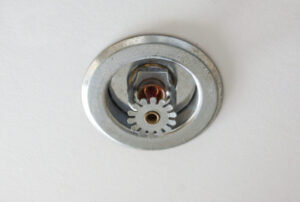
Sprinkler manufacturers continue to develop heads for specific building layouts, hazards, and architectural requirements. Extended-coverage sprinklers can protect larger areas when permitted by their listings and system design. Early suppression fast response sprinklers are designed for certain high-challenge storage hazards, while concealed and low-profile models provide less noticeable protection in finished spaces.
These choices give fire protection professionals more flexibility, but selecting a newer sprinkler does not automatically make a system safer. Every component must be properly listed, designed, installed, and maintained for the building’s specific occupancy and hazard.
Connected Fire Protection Requires Cybersecurity
As sprinkler monitoring becomes more connected, cybersecurity must remain part of the conversation. Cloud-based systems should use secure communications, controlled access, and appropriate network protections. Facility managers should work with qualified providers who understand both life safety requirements and connected building technology.
Prepare for the Future of Fire Protection
The latest fire sprinkler technologies in 2026 are making systems more visible, proactive, and adaptable. Before adopting new technology, schedule an evaluation with an experienced fire protection professional like Chesapeake Fire Protection. A qualified expert can determine which upgrades are appropriate while helping your facility remain compliant, reliable, and prepared.
Contact Chesapeake Fire Protection Today!
Chesapeake Fire Protection (formerly Chesapeake Sprinkler Company) was originally founded in 1978 as a small family-owned business to serve the fire protection needs of the Baltimore and Washington, D.C. areas. You can rely on our extensive experience, knowledge of the latest technologies, and first-class fabrication facility to meet your fire protection needs.
Chesapeake Fire Protection became a Century Fire Protection Company in 2022. This allowed us to further expand our resources, capacity, and skills to serve our clients. We are headquartered in Odenton, MD with an additional branch office in Ashburn, VA.
Ready to get in touch? You can call us at our Odenton location at 410-674-7041 or our Ashburn location at 703-729-5150. You can also contact us for service and maintenance as well as emergencies at 410-674-7577. Find us on social media at Facebook, Twitter, and LinkedIn!