It’s important to maintain a yearly fire sprinkler maintenance checklist.
A properly maintained fire sprinkler system is one of the most effective safeguards against fire damage, protecting both lives and property. A fire sprinkler maintenance checklist is a great tool for property owners, property managers, and business owners to keep track of essential yearly maintenance tasks and keep their fire safety systems in optimal condition. By following a structured approach to inspection and upkeep, property owners and facility managers can ensure compliance, reliability, and peace of mind.
Why a Fire Sprinkler Maintenance Checklist Is Critical
Fire sprinkler systems are designed to activate automatically in the event of a fire, but they rely on properly functioning components to do so. Over time, wear and tear, corrosion, or unnoticed damage can compromise performance.
A yearly fire sprinkler maintenance checklist helps:
- Ensure compliance with fire codes and insurance requirements
- Identify issues before they become costly failures
- Extend the lifespan of your system
- Provide reliable protection in an emergency
Neglecting routine maintenance can result in system failure when it matters most—making annual inspections a non-negotiable responsibility.
Annual Fire Sprinkler System Inspection Overview
A yearly inspection is more in-depth than monthly or quarterly checks. It involves a full evaluation of system components, water flow, alarms, and overall functionality.
This level of inspection is typically performed by licensed fire protection professionals, but understanding what’s included in the process helps property owners stay informed and proactive.
Complete Fire Sprinkler Maintenance Checklist
Below is a detailed fire sprinkler maintenance checklist to guide your annual inspection:
Control Valves Inspection
Control valves must remain open and accessible at all times.
During inspection:
- Verify valves are in the correct position (open)
- Check for leaks, corrosion, or physical damage
- Ensure tamper switches are functioning properly
- Confirm valves are clearly labeled
A closed or malfunctioning valve can render the entire system ineffective.
Alarm Devices & Monitoring Systems
Fire sprinkler systems are often tied to alarm systems that alert occupants and emergency responders.
Annual checks should include:
- Testing waterflow alarms
- Verifying connection to monitoring services
- Inspecting audible and visual alarm devices
- Confirming proper signal transmission
Reliable alarms ensure a fast response when a sprinkler activates.
Sprinkler Heads Examination
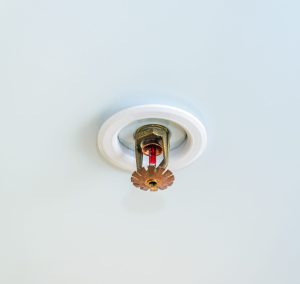
Sprinkler heads are the frontline defense during a fire event.
Inspect for:
- Dust, debris, or paint obstruction
- Corrosion or rust
- Physical damage or bent components
- Proper clearance from storage or obstructions
Even minor blockages can delay or prevent proper water distribution.
Piping & Fittings Assessment
The piping network delivers water throughout the system and must remain in optimal condition.
Inspectors should:
- Check for leaks or signs of corrosion
- Look for mechanical damage or loose fittings
- Evaluate pipe supports and hangers
- Identify any signs of freezing or environmental stress
Hidden pipe issues can significantly impact system performance.
Water Supply Evaluation
A dependable water supply is essential for effective fire suppression.
Annual maintenance includes:
- Testing water pressure and flow rates
- Inspecting backflow preventers
- Verifying fire pump operation (if applicable)
- Ensuring supply valves are fully operational
Any disruption in water supply can compromise the entire system.
Fire Department Connection (FDC) Inspection
The Fire Department Connection allows firefighters to supplement the system with additional water.
Checklist items include:
- Ensuring caps and plugs are in place
- Checking for obstructions or damage
- Verifying proper signage and visibility
- Inspecting for leaks or corrosion
A properly maintained FDC ensures firefighters can quickly connect during an emergency.
Gauges & Pressure Devices
Pressure gauges provide critical insight into system performance.
During inspection:
- Confirm gauges are within normal operating ranges
- Check for damage or inaccurate readings
- Replace gauges older than recommended lifespan
- Verify proper installation and calibration
Accurate readings are key to detecting underlying issues.
System Testing & Documentation
Testing validates that all components are working together as intended.
This includes:
- Conducting a full system flow test
- Testing supervisory signals
- Recording all inspection results
- Documenting repairs and recommendations
Proper documentation ensures compliance with fire codes and provides a maintenance history for future reference.
Common Issues Found During Annual Inspections
Even well-maintained systems can develop problems over time. A thorough fire sprinkler maintenance checklist often uncovers:
- Corroded pipes or fittings
- Obstructed or painted sprinkler heads
- Improperly positioned valves
- Faulty alarm connections
- Inadequate water pressure
Addressing these issues promptly helps avoid costly repairs and system downtime.
Benefits of Staying Proactive with Fire Sprinkler Maintenance
Following a yearly fire sprinkler maintenance checklist offers long-term advantages beyond compliance:
- Improved safety: Ensures systems perform correctly in emergencies
- Cost savings: Prevents major repairs through early detection
- Regulatory compliance: Meets local and national fire codes
- Insurance benefits: May reduce premiums or support claims
- Peace of mind: Confidence that your property is protected
Proactive maintenance is always more cost-effective than reactive repairs.
Chesapeake Fire Protection’s RSI Division
While maintaining a fire sprinkler maintenance checklist on your own is an option, it’s often recommended to let professionals help maintain your fire safety systems. Chesapeake Fire Protection’s RSI Division handles inspection, testing, installation, service and maintenance of all kinds of fire suppression systems. We can help you stay on top of your checklist and ensure that your fire safety and suppression systems are always in optimal working condition.
Contact Chesapeake Fire Protection Today!
Chesapeake Fire Protection (formerly Chesapeake Sprinkler Company) was originally founded in 1978 as a small family-owned business to serve the fire protection needs of the Baltimore and Washington, D.C. areas. You can rely on our extensive experience, knowledge of the latest technologies, and first-class fabrication facility to meet your fire protection needs.
Chesapeake Fire Protection became a Century Fire Protection Company in 2022. This allowed us to further expand our resources, capacity, and skills to serve our clients. We are headquartered in Odenton, MD with an additional branch office in Ashburn, VA.
Ready to get in touch? You can call us at our Odenton location at 410-674-7041 or our Ashburn location at 703-729-5150. You can also contact us for service and maintenance as well as emergencies at 410-674-7577. Find us on social media at Facebook, Twitter, and LinkedIn!