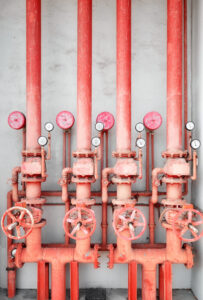
Facility managers need to understand the ins and outs of fire sprinkler maintenance in order to ensure theirs are in optimal working condition.
Facility managers play a major role in keeping commercial buildings safe, compliant, and operational. One of the most important responsibilities involves overseeing fire sprinkler maintenance. A properly maintained fire sprinkler system can help reduce property damage, protect occupants, and support compliance with local and national fire codes.
Ignoring inspections or delaying repairs can create serious risks for businesses. Understanding the basics of fire sprinkler maintenance can help facility managers avoid costly issues and maintain a safer environment year-round.
Why Fire Sprinkler Maintenance Matters
Fire sprinkler systems are designed to respond quickly during a fire emergency. However, these systems only work effectively when they are properly inspected, tested, and maintained. Components can wear down over time, valves may become damaged, and corrosion can impact water flow throughout the system.
Regular fire sprinkler maintenance helps facility managers:
- Improve system reliability
- Stay compliant with fire safety regulations
- Reduce the risk of failed inspections
- Minimize costly emergency repairs
- Protect employees, tenants, and visitors
- Extend the lifespan of the sprinkler system
Routine maintenance also helps identify hidden problems before they become major safety concerns.
Common Fire Sprinkler Maintenance Tasks
A complete fire sprinkler maintenance program involves several inspection and testing procedures. Facility managers should work with licensed fire protection professionals to ensure all required maintenance is completed according to code requirements.
Visual Inspections
Visual inspections are one of the most basic but important parts of fire sprinkler maintenance. Technicians inspect sprinkler heads, piping, valves, gauges, and alarm connections for signs of damage or obstruction.
Common issues found during visual inspections include:
- Corroded sprinkler heads
- Painted or blocked sprinklers
- Leaking pipes
- Closed control valves
- Physical damage from building activity
Facility managers should also ensure storage items are not placed too close to sprinkler heads, as this can interfere with water distribution during a fire.
Routine Testing Requirements
Fire sprinkler systems require scheduled testing to confirm that all components operate correctly. Depending on the type of system and local code requirements, testing may occur monthly, quarterly, annually, or every five years.
Alarm and Water Flow Testing
Testing the water flow alarm verifies that the system properly communicates with the building fire alarm panel when water begins flowing through the pipes. This process ensures occupants receive prompt warnings during an emergency.
Valve Inspections
Control valves must remain accessible and in the correct open position. During maintenance visits, technicians verify valve condition and functionality.
Backflow Preventer Testing
Backflow preventers help protect the public water supply from contamination. These devices require periodic testing to confirm proper operation.
Internal Pipe Inspections
Over time, sprinkler pipes can accumulate corrosion, sludge, or obstructions that reduce water flow. Internal pipe inspections help identify buildup that may impact system performance.
Signs Your System Needs Immediate Attention
Facility managers should never ignore warning signs involving the fire sprinkler system. Some problems require immediate professional evaluation to avoid compliance issues or system failure.
Watch for these common signs:
- Frequent false alarms
- Visible corrosion or rust
- Leaking sprinkler heads or piping
- Low water pressure readings
- Damaged sprinkler heads
- Unusual noises near valves or pumps
- Failed inspection reports
Even minor issues can become serious if left unresolved.
Staying Compliant With Fire Codes
Compliance is a major reason why fire sprinkler maintenance is essential. Fire codes and standards established by organizations such as the National Fire Protection Association outline inspection, testing, and maintenance requirements for commercial sprinkler systems.
Facility managers should maintain detailed documentation of all inspections, repairs, and testing activities. Keeping organized records can simplify audits, inspections, and insurance reviews.
Working with experienced fire protection professionals also helps ensure maintenance schedules remain up to date with changing regulations.
Preventive Maintenance Saves Money
Many facility managers focus on reactive repairs after a problem occurs. However, preventive fire sprinkler maintenance is usually far more cost-effective.
Routine maintenance helps reduce:
- Emergency repair expenses
- Business interruptions
- Water damage from system failures
- Liability risks
- Insurance complications
Preventive service can also help identify aging components before they fail unexpectedly.
Don’t Let Fire Sprinkler Maintenance Fall to the Wayside
Effective fire sprinkler maintenance is one of the most important parts of facility management. Routine inspections, testing, and preventive care help keep buildings safer while supporting long-term compliance and operational reliability.
By taking a proactive approach to fire sprinkler maintenance, facility managers can help protect people, property, and business continuity while avoiding unnecessary risks and costly repairs.
Contact Chesapeake Fire Protection Today!
Chesapeake Fire Protection (formerly Chesapeake Sprinkler Company) was originally founded in 1978 as a small family-owned business to serve the fire protection needs of the Baltimore and Washington, D.C. areas. You can rely on our extensive experience, knowledge of the latest technologies, and first-class fabrication facility to meet your fire protection needs.
Chesapeake Fire Protection became a Century Fire Protection Company in 2022. This allowed us to further expand our resources, capacity, and skills to serve our clients. We are headquartered in Odenton, MD with an additional branch office in Ashburn, VA.
Ready to get in touch? You can call us at our Odenton location at 410-674-7041 or our Ashburn location at 703-729-5150. You can also contact us for service and maintenance as well as emergencies at 410-674-7577. Find us on social media at Facebook, Twitter, and LinkedIn!