
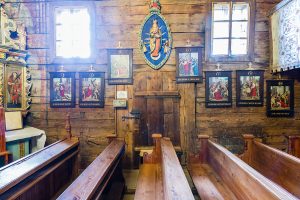
Building owners face a unique set of challenges when it comes to installing fire sprinklers in historic structures.
Historic buildings tell the story of a community’s past, from century-old churches and courthouses to landmark hotels, theaters, and industrial buildings. While these structures are rich in character and architectural detail, they often present unique challenges when it comes to modern fire protection. Installing fire sprinklers in historic structures requires a careful balance between preserving original features and meeting today’s life-safety and code requirements.
Why Fire Protection Is Critical in Historic Buildings
Many historic structures were built long before modern fire codes existed. As a result, they often contain materials and design elements that increase fire risk, such as heavy timber framing, hidden voids, aging electrical systems, and limited fire separations. Once a fire starts, it can spread rapidly, leading to devastating losses that cannot be replaced.
Fire sprinklers play a critical role in protecting both occupants and irreplaceable architecture. When properly designed and installed, sprinkler systems can control or extinguish fires in their early stages, dramatically reducing damage and improving life safety.
Common Challenges of Fire Sprinklers in Historic Structures
Preserving Architectural Integrity
One of the biggest concerns when installing fire sprinklers in historic structures is preserving the building’s original appearance. Ornate ceilings, decorative plaster, exposed beams, and antique finishes can make standard sprinkler installations visually intrusive if not handled thoughtfully.
Structural Limitations
Historic buildings were not designed with modern mechanical systems in mind. Limited ceiling cavities, thick masonry walls, and fragile structural elements can complicate piping routes and system placement. In some cases, traditional installation methods may not be feasible without risking damage to the structure.
Water Supply Constraints
Adequate water supply is essential for sprinkler systems, but older buildings may lack sufficient water pressure or volume. Municipal infrastructure serving historic districts may also be limited, requiring additional engineering solutions such as fire pumps or on-site water storage.
Code Compliance and Regulatory Oversight
Historic structures are often subject to multiple layers of regulation, including local building codes, fire codes, and historic preservation guidelines. Navigating these requirements while installing compliant fire sprinklers can be complex and time-consuming.
Proven Solutions for Sprinkler Systems in Historic Buildings
Concealed and Low-Profile Sprinklers
Modern sprinkler technology offers concealed, recessed, and low-profile sprinkler heads that blend seamlessly into ceilings and architectural features. These options allow designers to protect the building without detracting from its historic character.
Flexible Piping Solutions
Flexible sprinkler piping systems can reduce the need for invasive construction. These systems allow installers to route piping through tight or irregular spaces with minimal disruption to walls and ceilings, making them ideal for historic renovations.
Alternative Sprinkler System Types
In certain areas of historic buildings, specialized sprinkler systems may be appropriate. Dry pipe or pre-action systems can reduce the risk of accidental water discharge in sensitive spaces such as museums, archives, and libraries housed within historic structures.
Strategic Zoning and System Design
Thoughtful system zoning allows fire protection to be tailored to different areas of a historic building. High-risk zones can receive enhanced protection, while lower-risk or highly decorative areas can be designed with more discreet solutions.
Collaboration With Preservation Authorities
Successful installation of fire sprinklers in historic structures often depends on early collaboration with historic preservation boards, architects, and fire officials. This collaborative approach helps ensure that life-safety goals are met while respecting preservation standards.
The Long-Term Benefits of Sprinkler Protection
While the initial planning and installation process may be more involved, fire sprinklers offer significant long-term benefits for historic buildings. These systems can reduce insurance costs, improve occupant safety, and protect priceless architectural details that define the building’s legacy.
Perhaps most importantly, properly designed fire sprinklers provide peace of mind. They help ensure that historic structures can continue to serve their communities for generations to come, without compromising safety or preservation.
Finding the Right Fire Protection Partner
Installing fire sprinklers in historic structures requires specialized knowledge, experience, and a deep understanding of both fire protection standards and preservation concerns. Working with a professional fire protection company that has experience in historic buildings, like Chesapeake Fire Protection, can make all the difference.
With the right planning, technology, and expertise, it is possible to protect historic structures from fire while honoring the craftsmanship and history that make them unique.
Contact Chesapeake Fire Protection Today!
Chesapeake Fire Protection (formerly Chesapeake Sprinkler Company) was originally founded in 1978 as a small family-owned business to serve the fire protection needs of the Baltimore and Washington, D.C. areas. You can rely on our extensive experience, knowledge of the latest technologies, and first-class fabrication facility to meet your fire protection needs.
Chesapeake Fire Protection became a Century Fire Protection Company in 2022. This allowed us to further expand our resources, capacity, and skills to serve our clients. We are headquartered in Odenton, MD with an additional branch office in Ashburn, VA.
Ready to get in touch? You can call us at our Odenton location at 410-674-7041 or our Ashburn location at 703-729-5150. You can also contact us for service and maintenance as well as emergencies at 410-674-7577. Find us on social media at Facebook, Twitter, and LinkedIn!