
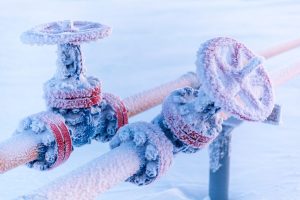
If you know how to prevent frozen fire sprinkler pipes, you can maintain an operational system even in the most inclement weather.
When temperatures drop below freezing, fire protection systems face a serious seasonal threat: frozen sprinkler pipes. A frozen fire sprinkler pipe can crack, burst, or fail when it’s needed most. This puts lives, property, and code compliance at risk. For facility managers, property owners, and business operators, taking proactive steps to prevent frozen fire sprinkler pipes is essential for safety, reliability, and avoiding costly damage.
Why Fire Sprinkler Pipes Freeze
Fire sprinkler systems are especially vulnerable in cold conditions because they often run through unheated or partially heated areas, such as:
- Attics and ceiling cavities
- Loading docks and warehouses
- Garages and parking structures
- Exterior walls and soffits
- Mechanical rooms with poor insulation
In wet-pipe systems, water remains inside the piping at all times. When temperatures fall below 32°F, that water can freeze, expand, and cause the pipe to rupture. Even dry-pipe systems (which hold pressurized air instead of water) can freeze if condensate builds up and is not properly drained.
The Risks of Frozen Fire Sprinkler Pipes
Failing to prevent frozen fire sprinkler pipes can lead to serious consequences, including:
- System failure during a fire emergency
- Major water damage when frozen pipes thaw and burst
- Costly repairs and emergency shutdowns
- Code violations and failed inspections
- Increased insurance liability
Because sprinkler systems are life-safety systems, any impairment puts occupants and assets at risk and may require immediate reporting to the authority having jurisdiction (AHJ).
Proven Ways to Prevent Frozen Fire Sprinkler Pipes
Maintain Adequate Heat in Protected Areas
One of the most effective ways to prevent frozen fire sprinkler pipes is to maintain consistent heating throughout all areas where sprinkler piping is installed. Spaces should generally be kept above 40°F, even during off-hours, weekends, or holidays.
Temporary shutdowns, energy-saving setbacks, or malfunctioning HVAC equipment can quickly create freezing conditions if not closely monitored.
Insulate Sprinkler Piping and Vulnerable Areas
Insulation plays a critical role in cold-weather protection. Sprinkler pipes located near exterior walls, roofs, or unconditioned spaces should be properly insulated using materials approved for fire protection systems.
It’s important to note that insulation alone does not generate heat—it only helps retain it. Insulation should always be paired with adequate ambient temperatures.
Seal Drafts and Cold Air Infiltration
Cold air leaks can rapidly drop temperatures around sprinkler piping. Inspect buildings for gaps around doors, windows, vents, wall penetrations, and roof openings. Sealing drafts helps stabilize interior temperatures and reduces the risk of freezing in hidden spaces.
This step is especially important in older buildings or facilities that have undergone renovations.
Use Heat Tracing Where Necessary
In areas where maintaining heat is difficult, such as exterior piping runs, parking garages, or loading docks, electric heat tracing can be a reliable solution. Heat trace systems provide controlled warmth directly to the pipe, helping prevent freezing even during prolonged cold snaps.
Heat tracing should be professionally designed, installed, and regularly tested to ensure reliability.
Properly Drain and Maintain Dry-Pipe Systems
Dry-pipe systems are commonly used in cold environments, but they still require routine maintenance. Condensation can accumulate inside the piping and freeze if not drained.
Regular inspections and low-point draining help prevent ice blockages that could delay water delivery during a fire event.
Conduct Regular Winter Inspections
Seasonal inspections are a critical part of any winter preparedness plan. Fire protection professionals can identify vulnerable areas, verify heating performance, check insulation, and ensure all components are functioning as designed.
Following guidance from organizations like the National Fire Protection Association helps ensure systems meet safety and performance standards throughout the year.
Why Proactive Prevention Matters
Taking steps to prevent frozen fire sprinkler pipes isn’t just about avoiding repairs—it’s about maintaining continuous fire protection when it matters most. Winter conditions are unpredictable, and sprinkler system failures often happen at night or during periods of low occupancy, when freezing goes unnoticed.
By investing in preventative measures, property owners can protect lives, reduce liability, and avoid costly emergency responses during the coldest months of the year.
Stay Ahead of Winter Risks
Preventing frozen fire sprinkler pipes requires a combination of heat management, insulation, routine inspections, and professional oversight. Addressing vulnerabilities before winter arrives is always more effective, and far less expensive, than responding after damage occurs.
Contact Chesapeake Fire Protection Today!
Chesapeake Fire Protection (formerly Chesapeake Sprinkler Company) was originally founded in 1978 as a small family-owned business to serve the fire protection needs of the Baltimore and Washington, D.C. areas. You can rely on our extensive experience, knowledge of the latest technologies, and first-class fabrication facility to meet your fire protection needs.
Chesapeake Fire Protection became a Century Fire Protection Company in 2022. This allowed us to further expand our resources, capacity, and skills to serve our clients. We are headquartered in Odenton, MD with an additional branch office in Ashburn, VA.
Ready to get in touch? You can call us at our Odenton location at 410-674-7041 or our Ashburn location at 703-729-5150. You can also contact us for service and maintenance as well as emergencies at 410-674-7577. Find us on social media at Facebook, Twitter, and LinkedIn!