
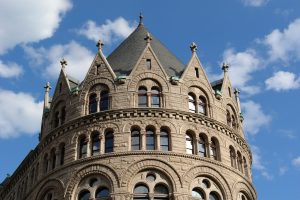
The importance of retrofitting older buildings with modern fire safety systems cannot be overstated.
Older buildings carry history, character, and architectural charm. From heritage properties and historic downtown storefronts to aging apartment complexes and office buildings, these structures tell stories that new construction often cannot replicate. However, while their aesthetics may endure, their fire protection systems often do not.
That’s why retrofitting older buildings with modern fire safety systems has become a top priority for property owners, facility managers, and municipalities alike. Beyond code compliance, retrofitting improves life safety, reduces liability, enhances property value, and preserves irreplaceable structures for future generations.
Why Older Buildings Are at Higher Fire Risk
Many older buildings were constructed before modern fire codes and technologies existed. Common risks include:
- Outdated or faulty electrical wiring
- Lack of automatic fire sprinkler systems
- Limited or no fire alarm systems
- Poor compartmentalization and fire-resistant materials
- Inadequate emergency lighting and exit signage
As buildings age, materials degrade and systems become less reliable. Without upgrades, these structures pose greater risks to occupants and neighboring properties.
This is what makes retrofitting older buildings with modern fire safety systems critically important.
Enhanced Life Safety for Occupants
The most important benefit of retrofitting is improved life safety.
Modern fire safety systems include:
- Addressable fire alarm systems
- Smoke and heat detectors
- Automatic sprinkler systems
- Voice evacuation systems
- Emergency lighting and illuminated exit signs
These technologies provide earlier detection, faster response times, and clearer evacuation guidance. In an emergency, seconds matter. Modern systems can significantly reduce injuries and fatalities by alerting occupants quickly and activating suppression systems automatically.
When retrofitting older buildings with modern fire safety systems, you’re prioritizing human life above all else.
Compliance with Current Fire Codes and Regulations
Fire codes evolve as technology and safety standards improve. Many older properties no longer meet current local, state, or national fire protection requirements.
Retrofitting helps ensure compliance with:
- Updated building and fire codes
- Insurance requirements
- ADA accessibility standards (for alarms and notification systems)
- Municipal safety ordinances
Failing to comply can result in fines, penalties, lawsuits, or forced closures. Investing in retrofitting older buildings with modern fire safety systems reduces legal risk and ensures your property meets today’s safety expectations.
Reduced Insurance Costs and Liability
Insurance providers evaluate fire risk carefully. Buildings without updated fire protection systems are considered high risk, which can lead to:
- Higher premiums
- Coverage limitations
- Increased deductibles
By retrofitting older buildings with modern fire safety systems, property owners often qualify for lower insurance premiums and improved coverage terms. Modern sprinkler and alarm systems significantly reduce potential fire damage, making the property less risky to insure.
Additionally, updated systems reduce liability exposure in the event of a fire-related incident.
Preservation of Historic and Architectural Value
One of the biggest concerns with upgrading older buildings is maintaining their architectural integrity. Fortunately, modern fire protection technology allows for discreet integration.
Wireless fire alarms, concealed sprinkler heads, and low-profile detection devices make it possible to protect a structure without compromising its character.
Retrofitting older buildings with modern fire safety systems allows owners to preserve historic charm while adding 21st-century protection.
Improved Emergency Response Coordination
Modern fire alarm systems can integrate with:
- Local fire departments
- Building management systems
- Security systems
- Mass notification platforms
This integration ensures faster emergency response and better coordination during critical events.
When retrofitting older buildings with modern fire safety systems, you create a connected infrastructure that improves situational awareness and response efficiency.
Key Systems to Consider When Retrofitting
When planning a retrofit project, consider implementing:
- Automatic sprinkler systems
- Fire alarm and detection systems
- Fire-resistant doors and barriers
- Smoke control and ventilation systems
- Emergency lighting and exit signage
- Fire suppression systems for specialized areas (e.g., kitchens, data rooms)
A professional fire protection assessment can identify vulnerabilities and recommend tailored solutions.
Contact Chesapeake Fire Protection Today!
Chesapeake Fire Protection (formerly Chesapeake Sprinkler Company) was originally founded in 1978 as a small family-owned business to serve the fire protection needs of the Baltimore and Washington, D.C. areas. You can rely on our extensive experience, knowledge of the latest technologies, and first-class fabrication facility to meet your fire protection needs.
Chesapeake Fire Protection became a Century Fire Protection Company in 2022. This allowed us to further expand our resources, capacity, and skills to serve our clients. We are headquartered in Odenton, MD with an additional branch office in Ashburn, VA.
Ready to get in touch? You can call us at our Odenton location at 410-674-7041 or our Ashburn location at 703-729-5150. You can also contact us for service and maintenance as well as emergencies at 410-674-7577. Find us on social media at Facebook, Twitter, and LinkedIn!