What are the different fire suppression systems and which one is right for your needs?
Choosing between different fire suppression systems can feel overwhelming, especially when safety, compliance, and asset protection are all on the line. Whether you’re protecting a commercial building, data center, industrial facility, or residential property, understanding the differences between wet, dry, and clean agent systems is essential to making the right decision. In this guide, we’ll break down how each type of system works, where it performs best, and how to determine which option fits your specific needs.
Understanding Fire Suppression Systems
At their core, fire suppression systems are designed to detect and extinguish fires quickly, often before they can spread or cause significant damage. While all systems share this goal, the method they use varies widely depending on the environment and the risks involved.
The three most common types include:
- Wet pipe systems
- Dry pipe systems
- Clean agent systems
Each has distinct advantages depending on temperature conditions, occupancy, and the type of assets being protected.
Wet Pipe Fire Suppression Systems
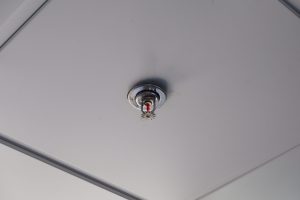
Wet pipe systems are the most common type of fire suppression systems used today. In these systems, pipes are constantly filled with water, allowing for immediate discharge when a sprinkler head is activated.
How They Work
When heat from a fire triggers a sprinkler head, water is released instantly onto the affected area. Because the pipes are already filled, there’s no delay in response.
Best Applications
Wet systems are ideal for:
- Office buildings
- Retail spaces
- Schools
- Residential properties
Advantages
- Fast response time
- Simple design with fewer components
- Lower installation and maintenance costs
- High reliability
Limitations
- Not suitable for freezing environments
- Risk of water damage to sensitive equipment
Dry Pipe Fire Suppression Systems
Dry pipe systems are specifically designed for environments where temperatures may drop below freezing. Instead of water, these systems contain pressurized air or nitrogen in the pipes.
How They Work
When a sprinkler head activates, the air pressure is released first, allowing water to flow into the pipes and out through the open sprinkler.
Best Applications
Dry systems are commonly used in:
- Parking garages
- Warehouses
- Unheated buildings
- Cold storage facilities
Advantages
- Prevents pipe freezing
- Suitable for harsh or fluctuating temperatures
- Provides protection where wet systems would fail
Limitations
- Slight delay in water discharge
- More complex design and higher maintenance requirements
- Typically higher installation costs
Clean Agent Fire Suppression Systems
Clean agent systems are advanced fire suppression systems that use gaseous agents to extinguish fires without leaving residue. They are designed to protect sensitive equipment and valuable assets.
How They Work
Clean agents suppress fire by either removing heat or interrupting the chemical reaction that sustains combustion. They are discharged quickly and evenly throughout a protected space.
Best Applications
Clean agent systems are ideal for:
- Data centers and server rooms
- Museums and archives
- Medical facilities
- Telecommunications infrastructure
Advantages
- No water damage or residue
- Safe for electronics and delicate materials
- Rapid suppression with minimal cleanup
- Environmentally friendly options available
Limitations
- Higher upfront costs
- Requires a sealed environment for effectiveness
- Specialized system design and maintenance
How to Choose the Right Fire Suppression System
Selecting the right fire suppression systems depends on several key factors. There is no one-size-fits-all solution, your environment and risk profile should guide your decision.
Consider Your Environment
If your building is climate-controlled, a wet system is often the most practical choice. For colder environments, a dry system becomes necessary. For spaces with sensitive equipment, clean agent systems are typically the best option.
Evaluate What You’re Protecting
If water damage would be as harmful as fire damage, such as in data centers or archival storage, clean agent systems provide the safest protection.
Think About Response Time
Wet systems offer the fastest response, while dry systems introduce a slight delay. Clean agent systems, however, can suppress fires extremely quickly in enclosed spaces.
Budget and Maintenance
Wet systems are generally the most cost-effective. Dry and clean agent systems require higher initial investment and more ongoing maintenance, but they provide specialized protection that may be essential.
Tailor Your Fire Suppression System to Your Needs
When it comes to choosing between wet, dry, and clean agent fire suppression systems, the right solution depends entirely on your building, assets, and risk tolerance. Wet systems offer simplicity and speed, dry systems provide reliability in cold environments, and clean agent systems deliver advanced protection for high-value or sensitive spaces.
If you’re unsure which system is right for your facility, working with a professional fire protection provider like Chesapeake Fire Protection can help ensure your system is properly designed, installed, and maintained for maximum safety and compliance.
Contact Chesapeake Fire Protection Today!
Chesapeake Fire Protection (formerly Chesapeake Sprinkler Company) was originally founded in 1978 as a small family-owned business to serve the fire protection needs of the Baltimore and Washington, D.C. areas. You can rely on our extensive experience, knowledge of the latest technologies, and first-class fabrication facility to meet your fire protection needs.
Chesapeake Fire Protection became a Century Fire Protection Company in 2022. This allowed us to further expand our resources, capacity, and skills to serve our clients. We are headquartered in Odenton, MD with an additional branch office in Ashburn, VA.
Ready to get in touch? You can call us at our Odenton location at 410-674-7041 or our Ashburn location at 703-729-5150. You can also contact us for service and maintenance as well as emergencies at 410-674-7577. Find us on social media at Facebook, Twitter, and LinkedIn!