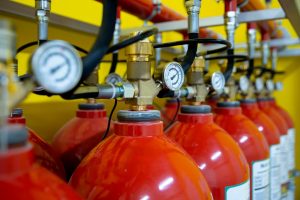
Knowing the ins and outs of fire suppression system maintenance is the key to ensuring your systems stay in optimal condition.
Fire suppression systems are one of the most critical safeguards in any commercial, industrial, or institutional building. They are designed to detect, control, and extinguish fires before they spread, helping protect lives, property, and business continuity. However, even the most advanced systems can fail if they are not properly maintained. Understanding fire suppression system maintenance is essential for staying compliant with fire codes, preventing costly breakdowns, and ensuring long-term system reliability.
Why Fire Suppression System Maintenance Matters
A fire suppression system is only effective if it functions correctly during an emergency. Dust buildup, corroded components, damaged piping, expired suppression agents, or malfunctioning alarms can all reduce performance when seconds matter most. Routine fire suppression system maintenance ensures that every component remains operational and ready to respond.
Proper maintenance also helps businesses avoid fines, failed inspections, insurance complications, and legal liability. Fire codes and insurance carriers often require documented inspection and service records as proof that systems are being maintained according to regulations.
Common Compliance Gaps in Fire Suppression Systems
Many businesses assume their systems are compliant simply because they were installed correctly. In reality, compliance gaps often develop over time due to neglect or incomplete inspections.
Missed Deadlines
One of the most common issues is missed inspection deadlines. Fire suppression systems must be inspected on regular schedules, and skipped inspections can quickly place a facility out of compliance.
Outdated Documents
Another frequent gap is outdated documentation. Inspection logs, testing records, and maintenance reports must be current and accessible. Missing paperwork can create serious compliance issues even if the equipment itself is functional.
Obstructions
Blocked or inaccessible system components are also common problems. Control valves, nozzles, pull stations, and extinguishing agent tanks must remain unobstructed for proper operation and inspection access.
Renovations Without a System Update
In some facilities, changes to building layouts create hidden risks. Renovations, added equipment, or altered ceiling configurations may interfere with suppression coverage, leaving areas unprotected without management realizing it.
Recommended Inspection Schedules
Inspection frequency depends on system type, local code requirements, manufacturer recommendations, and occupancy classification. However, there are several standard intervals most facilities should follow:
Monthly Visual Inspections
Monthly checks typically involve examining gauges, valves, nozzles, tanks, and alarm indicators for visible damage or irregularities. Staff can often perform these basic inspections if properly trained.
Quarterly and Semi-Annual Inspections
These inspections are more detailed and often conducted by certified fire protection professionals. They may include testing detection devices, releasing mechanisms, alarm interfaces, and pressure levels.
Annual Full System Inspections
Annual inspections are comprehensive evaluations designed to verify that the entire suppression system operates correctly under code requirements. These inspections may involve functional testing of alarms, sensors, control panels, and discharge components.
Multi-Year Testing Requirements
Certain suppression systems require hydrostatic testing, cylinder replacement, or agent refills at intervals ranging from every 5 to 12 years depending on system design and extinguishing agent type.
Staying on schedule with these inspections is a cornerstone of effective fire suppression system maintenance. Make sure you know which inspection schedule your specific systems should be on.
Long-Term Reliability Depends on Preventive Care
Reliability is not achieved through emergency repairs alone. Preventive maintenance reduces wear, identifies small issues before they escalate, and extends system lifespan.
For example, replacing aging seals before they crack can prevent leaks that compromise suppression pressure. Cleaning clogged nozzles can restore proper discharge patterns. Recalibrating sensors ensures accurate fire detection. These small actions make a major difference over time.
Facilities that delay preventive maintenance often face larger repair costs later, including full component replacements, downtime disruptions, and failed inspections.
Fire Safety is Essential
Fire suppression system maintenance should not be treated as just a regulatory obligation. It is a proactive investment in safety, compliance, and long-term operational reliability. By addressing common compliance gaps, following inspection schedules, and prioritizing preventive care, businesses can ensure their fire protection systems remain dependable when they are needed most.
Contact Chesapeake Fire Protection Today!
Chesapeake Fire Protection (formerly Chesapeake Sprinkler Company) was originally founded in 1978 as a small family-owned business to serve the fire protection needs of the Baltimore and Washington, D.C. areas. You can rely on our extensive experience, knowledge of the latest technologies, and first-class fabrication facility to meet your fire protection needs.
Chesapeake Fire Protection became a Century Fire Protection Company in 2022. This allowed us to further expand our resources, capacity, and skills to serve our clients. We are headquartered in Odenton, MD with an additional branch office in Ashburn, VA.
Ready to get in touch? You can call us at our Odenton location at 410-674-7041 or our Ashburn location at 703-729-5150. You can also contact us for service and maintenance as well as emergencies at 410-674-7577. Find us on social media at Facebook, Twitter, and LinkedIn!